
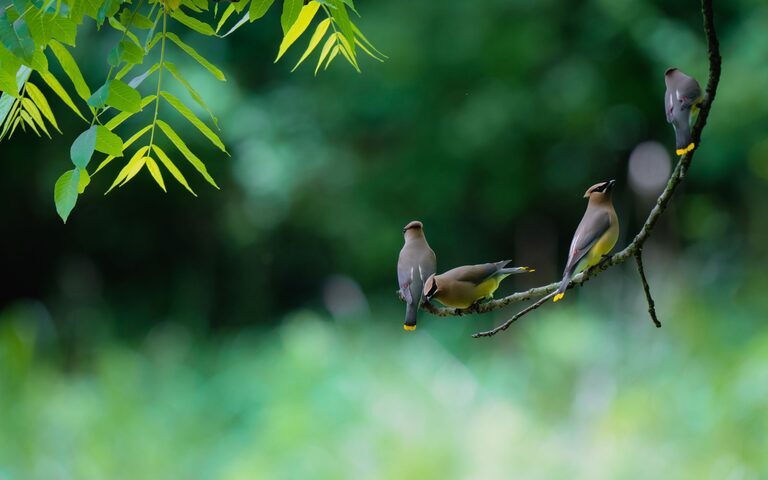
Birdwatching is a rewarding hobby that anyone can enjoy, especially right in their own backyard. Whether you have a large garden or a small balcony, observing birds offers a wonderful way to connect with nature, learn about local wildlife, and relax. If you’re new to birdwatching, this guide will provide simple tips to help you get started and make the most of your backyard birdwatching experience.
Why Birdwatching?
Before jumping in, it’s helpful to understand why birdwatching is such a popular pastime. Watching birds encourages mindfulness, promotes outdoor activity, and can be done year-round. It can also be educational, as you learn to recognize different species, their behaviors, and their calls.
Getting Started: Essential Tips for Beginners
1. Create a Bird-Friendly Space
To attract birds, you’ll want to make your backyard inviting. Here are some ways to do that:
– Provide Food: Use bird feeders filled with seeds or suet. Different birds prefer different foods—black oil sunflower seeds attract many kinds, while nyjer seeds are favorites of finches.
– Offer Water: Birds need fresh water for drinking and bathing. A simple birdbath or shallow dish can be enough.
– Add Shelter: Plant native trees, shrubs, or install birdhouses to provide shelter and nesting sites.
– Avoid Chemicals: Pesticides and herbicides can harm birds and reduce their natural food sources.
2. Choose the Right Bird Feeders
Selecting feeders suited to your local birds is important. Tube feeders are great for small songbirds, platform feeders can attract a variety of species, and suet feeders are good for woodpeckers and nuthatches. Placing feeders near shrubs or trees gives birds a quick escape route.
3. Use Binoculars and Field Guides
A comfortable pair of binoculars will enhance your viewing experience by allowing you to see birds up close without disturbing them. Additionally, a field guide—either a physical book or an app—helps identify different species by appearance, sounds, and behaviors.
How to Identify Birds
Learning to identify birds can seem challenging at first but becomes easier with practice. Focus on a few key features:
– Size and Shape: Notice the bird’s overall size and body shape.
– Color Patterns: Look for distinctive colors or markings.
– Behavior: Watch how the bird moves, feeds, or interacts.
– Sounds: Learn common bird calls and songs of your area.
Keeping a notebook can be helpful to jot down notes about the birds you see.
Best Times for Birdwatching
Birds are most active during the early morning and late afternoon. These are good times to observe feeding, singing, and other activities. Seasonal changes also affect which species you’ll see—spring and fall migrations bring a variety of birds to many backyards.
Practice Patience and Respect
Birdwatching is about observing wildlife in a way that doesn’t disturb them. Move slowly, keep noise low, and avoid sudden movements. Over time, birds may become comfortable around you, allowing closer and longer observations.
Additional Tips for Enjoyment
– Join a Local Birdwatching Group: Community groups offer shared knowledge and organized bird walks.
– Use a Camera: Photographing birds can deepen your engagement and provide a record of what you’ve seen.
– Keep Learning: There are many online resources, apps, and books dedicated to birdwatching.
Common Backyard Birds to Look For
Depending on where you live, common backyard birds may include:
– American Robin
– Northern Cardinal
– Blue Jay
– House Finch
– Mourning Dove
– Black-capped Chickadee
– Downy Woodpecker
Noticing the variety in your backyard helps you appreciate the richness of local wildlife.
Conclusion
Starting backyard birdwatching is easy and rewarding with just a few basic steps. By creating an inviting space, observing patiently, and learning about the birds you see, you’ll build a fulfilling connection with nature. Grab a feeder, a pair of binoculars, and enjoy the beauty and diversity of birds in your own backyard. Happy birdwatching!
About the Author